A Century of Innovation: From Workhorses to High-Tech Powerhouses
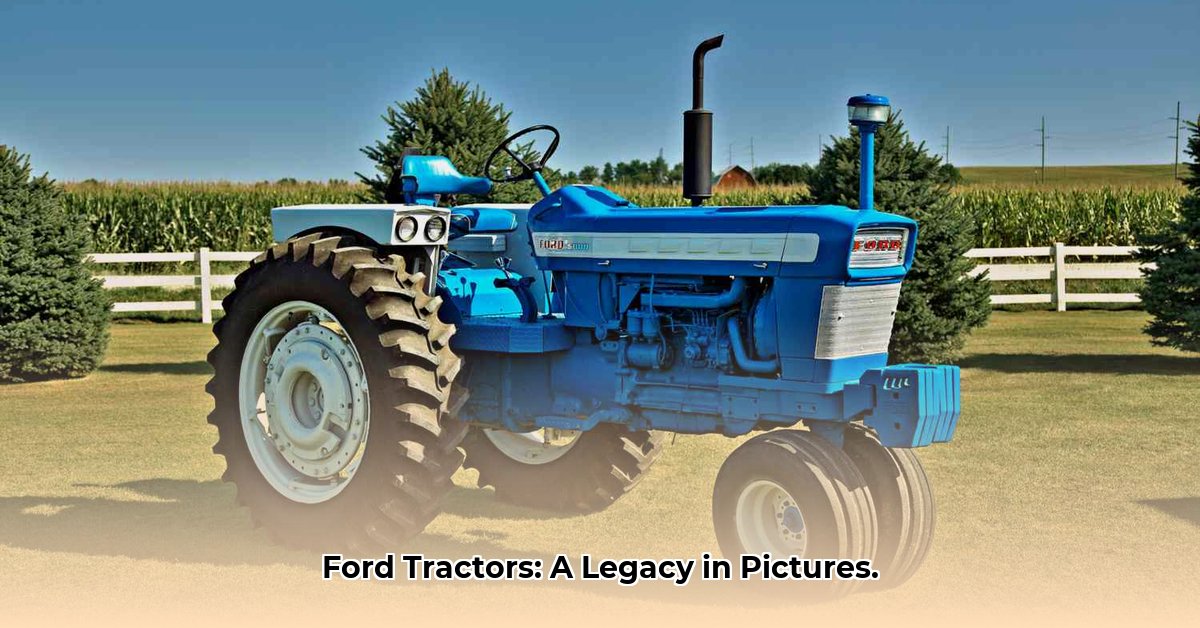
The evolution of the Ford tractor, as captured in a rich archive of photographs, tells a compelling story of agricultural innovation, mirroring broader societal shifts and technological advancements. Early images depict sturdy, often blue, machines – simple yet robust workhorses vital to farming in a bygone era. These weren't just machines; they were integral partners in the livelihoods of countless farmers, transforming the arduous tasks of tilling and harvesting. These early photos showcase the ingenuity and dedication of a time when physical labor was paramount, and the arrival of mechanized assistance marked a profound change. How did these early tractors, with their relatively simple designs, revolutionize farming practices? The answer lies in the sheer amount of labor they replaced, significantly boosting farmers' productivity. For more vintage tractor photos, see this great collection.
The Visual Transformation of Agricultural Technology
A chronological ordering of Ford tractor images reveals a breathtaking transformation. The early models, with their exposed engines and basic designs, stand in stark contrast to the sleek, sophisticated machines of today. This visual progression narrates a tale of continuous engineering refinement, mirroring the parallel evolution in agricultural practices. Consider the shift from basic, manual tilling to GPS-guided, precision planting – a leap in productivity clearly evident in the photographic record. Each image represents a milestone in agricultural progress, illustrating improved efficiency and enhanced yields. What percentage increase in yields can be attributed to technological advancements reflected in these images? This question highlights the profound impact of technological evolution in farming.
Precision Agriculture: The Modern Era of Farming Illustrated
Modern Ford tractor photographs showcase machines equipped with sophisticated GPS systems and other high-tech features. The emphasis has shifted from raw power to precise, efficient farming. Today's farmers leverage technology to optimize every aspect of their operations, from fuel consumption to planting patterns and harvesting techniques. This is where sustainability takes center stage. The modern images highlight how Ford, once synonymous with traditional farming, has fully embraced cutting-edge technology, transforming its tractors from powerful machines into precision instruments. What is the difference in water usage between traditional irrigation and the precision irrigation systems now incorporated into modern Ford tractors? This question underscores the remarkable strides towards resource-conscious farming.
Global Impact: Ford Tractors Around the World
The story of Ford tractors extends far beyond American farmlands. Images from across the globe depict these machines working diligently in diverse environments and climates. Their adaptability and resilience have significantly contributed to food production worldwide. These photographs highlight the role of Ford tractors in global food security, often proving crucial in settings with limited resources and infrastructure. What impact have Ford tractors had on crop yields and food security in developing nations? Answering this highlights the often-underestimated contribution to global food production.
Preserving History, Shaping the Future
Preserving a collection of Ford tractor pictures is tantamount to preserving a piece of living history. These aren't static images; they are repositories of human ingenuity and the evolving relationship between humanity and technology. They represent countless hours of labor, countless innovations, and the unyielding pursuit of greater agricultural efficiency. The visual record is more than just a collection of images; it’s a testament to human progress and our ongoing relationship with the land. What innovations might we expect to see in future Ford tractor images, given the current trends toward automation and sustainability? This question serves as a springboard to consider the future of agricultural technology.
Table: Evolution of Ford Tractor Features
| Feature | Early Models (e.g., Fordson) | Mid-Century Models | Modern Models |
|---|---|---|---|
| Engine | Relatively simple, lower horsepower | Increased horsepower, refined design | High-efficiency, environmentally-conscious engines |
| Technology | Primarily mechanical | Hydraulics introduced | GPS guidance, sensors, automated systems |
| Design | Functional, utilitarian | Streamlined, improved aesthetics | Aerodynamic, advanced materials, enhanced operator comfort |
| Sustainability | Minimal integration | Improved fuel efficiency | Central design focus, reduced environmental impact |
Precision Agriculture and AI: A Partnership for Sustainable Farming
The evolution shown in the Ford tractor images reflects a broader trend towards precision agriculture, and the integration of AI promises to further revolutionize farming practices. While the benefits are significant, successful implementation requires addressing challenges.
Key Takeaways for Sustainable Farming through AI Integration:
- Accessibility: Affordable, user-friendly AI tools are crucial for smallholder farmers, particularly those in developing countries.
- Data-Driven Optimization: AI algorithms can analyze diverse data sources to optimize resource allocation, leading to reduced waste and improved yields.
- Sustainable Practices: AI-powered systems can facilitate the adoption of sustainable farming practices by enabling early pest and disease detection, minimizing chemical use.
Dr. Anya Sharma, Professor of Agricultural Engineering at Purdue University, emphasizes that "the successful integration of AI into farming practices requires a careful balancing of technological advancement with equitable access and responsible data management." This underscores the need for collaborative efforts between researchers, technology developers, and farming communities to ensure the benefits of AI reach the farmers who need it most.